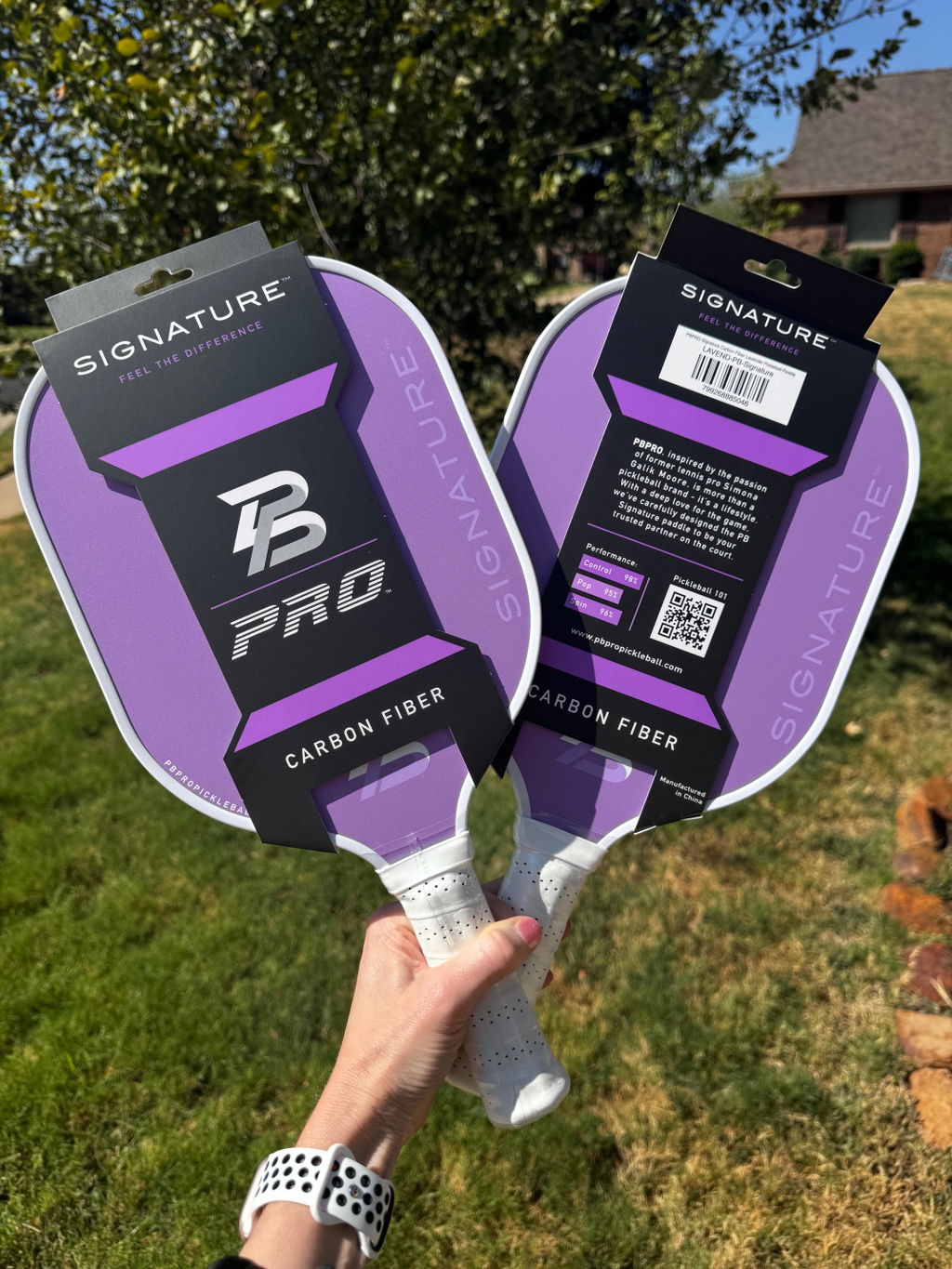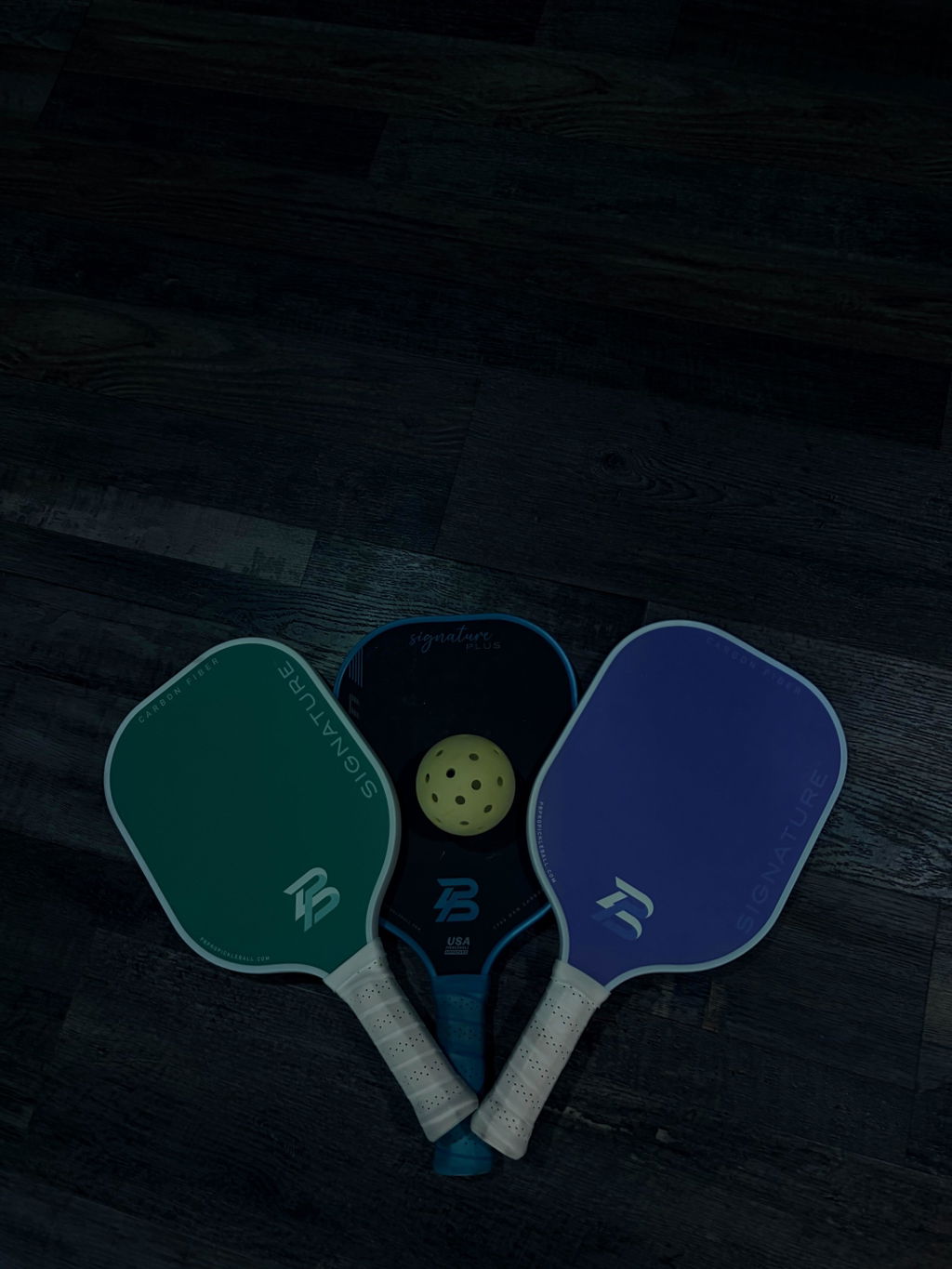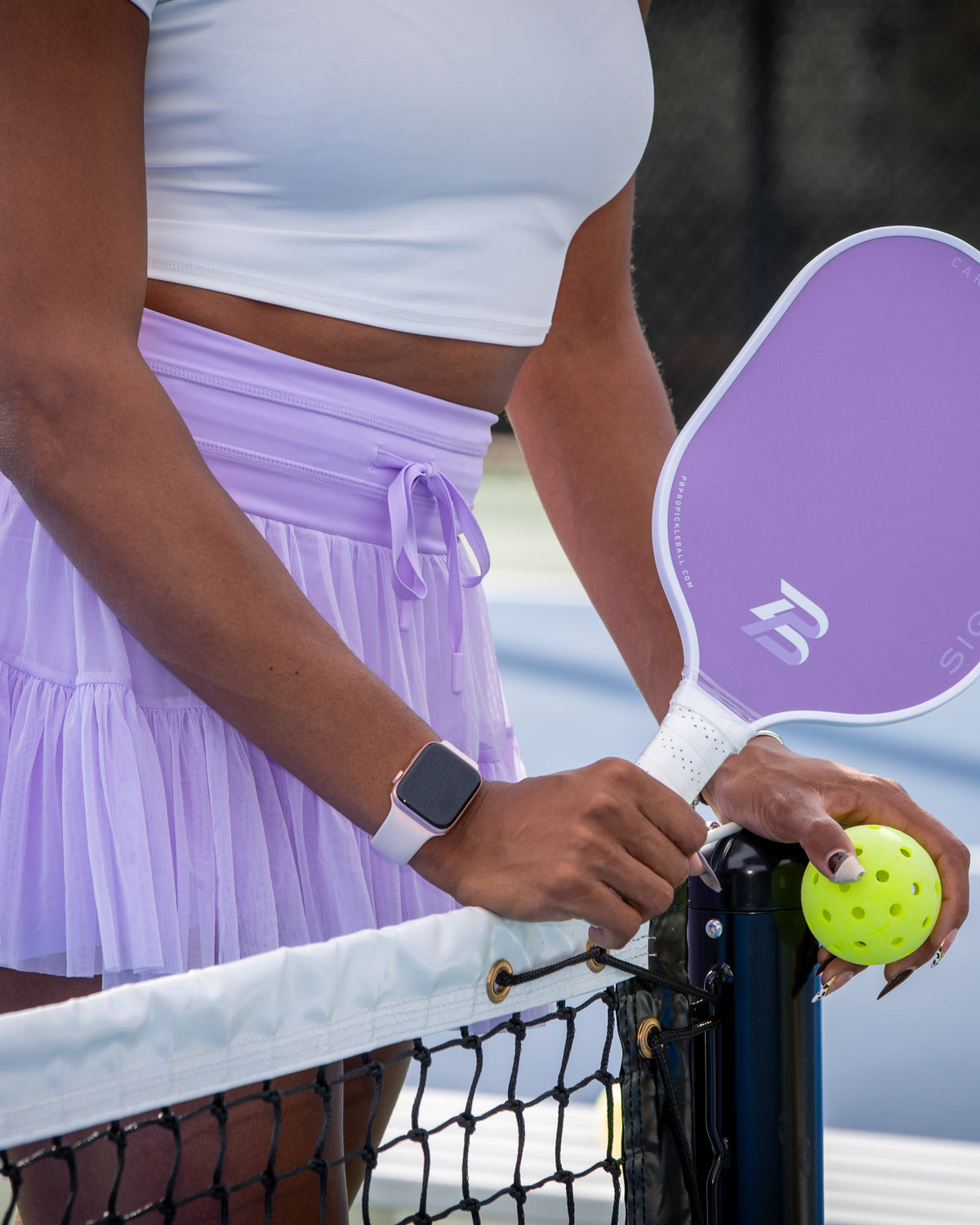
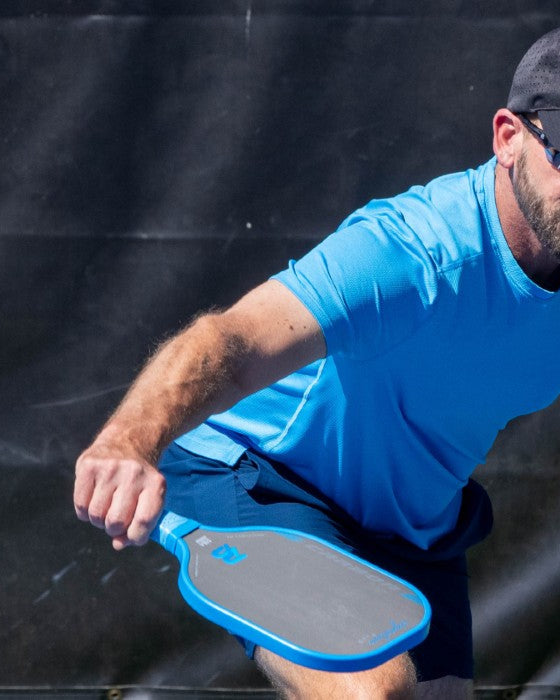

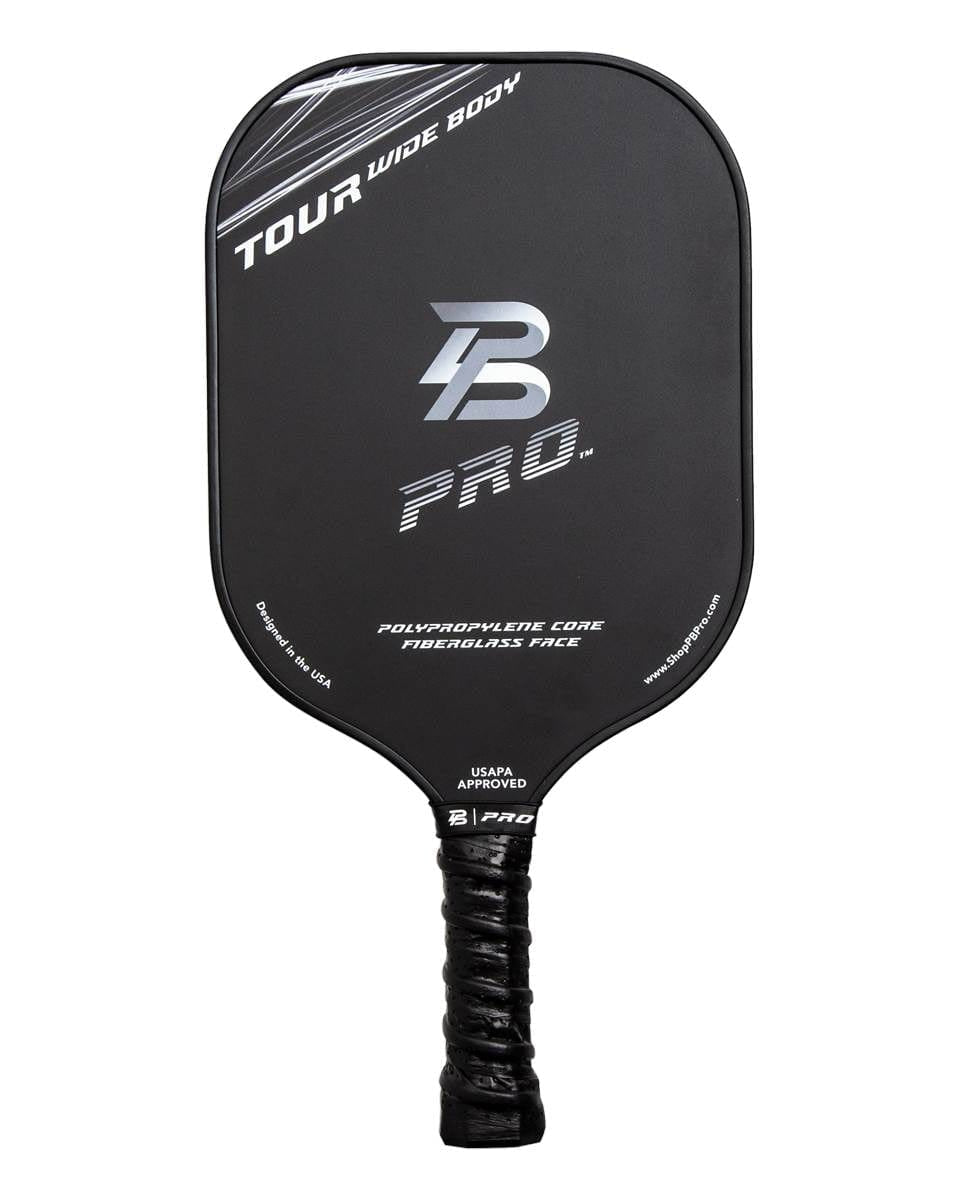

Current PBPRO paddle lineup
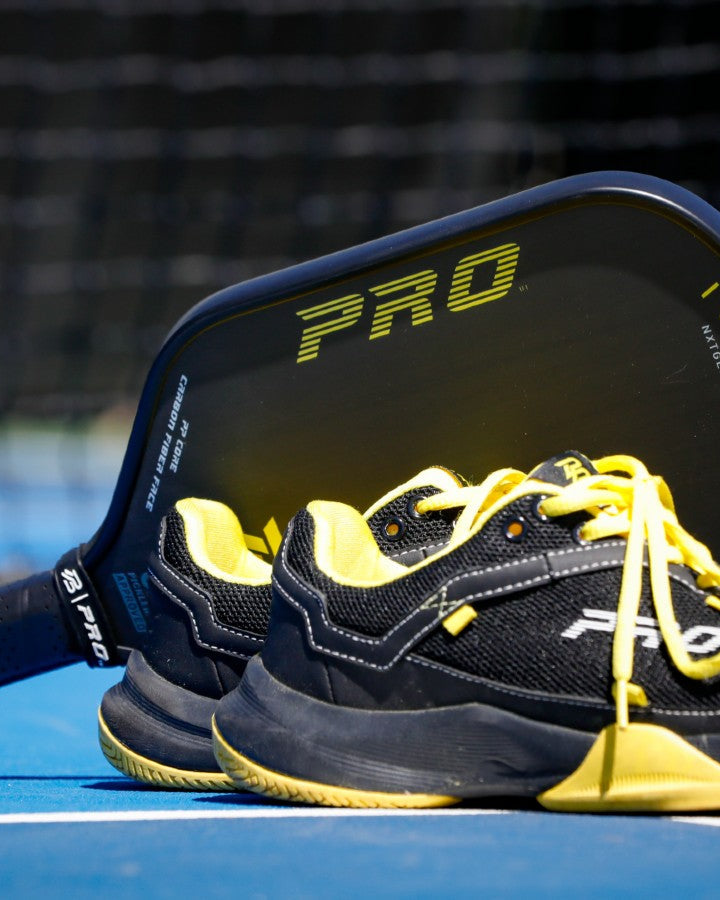
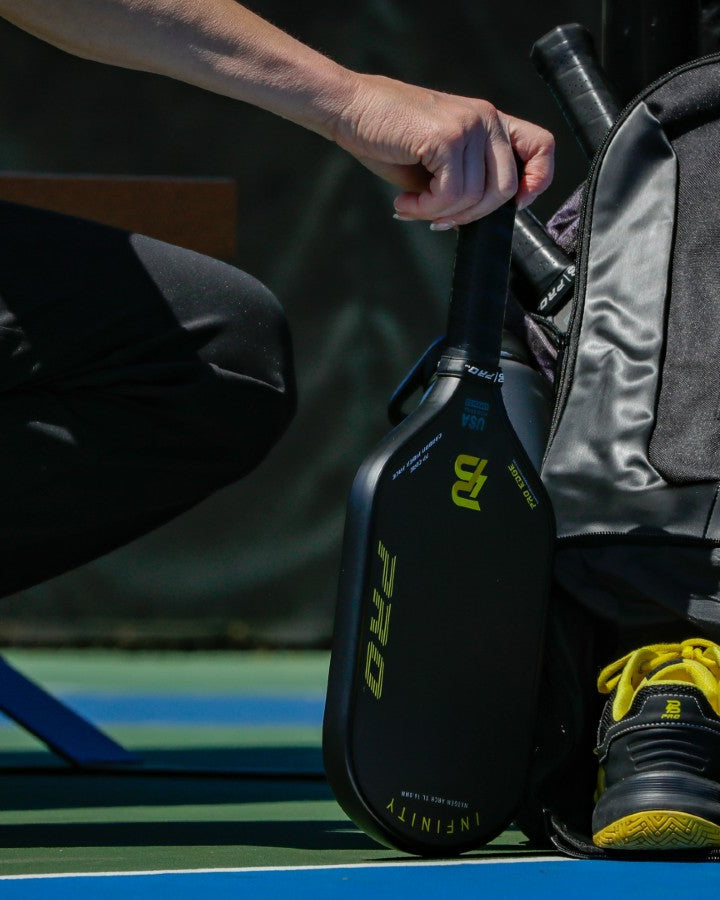
- Signature Plus — $54.99: Cold-pressed construction with a 16mm polypropylene core and T700 raw carbon face.
- Gen-X4 — $129, reduced from $199: Limited black/pink inventory remains, available while supplies last.
- Gen-X5 — $199: Full foam core, improved carbon frame and T700 raw carbon face. USA Pickleball approved. Currently in production; coming soon.
Choosing the right pickleball paddle material can dramatically affect how the paddle feels, performs, and helps you develop your game. Over the past several years, paddle technology has evolved quickly as the sport exploded in popularity.
Today, the most common question many players ask is:
Should I choose a carbon fiber or fiberglass pickleball paddle?
In this guide we’ll explain how paddle materials evolved, the differences between the most common paddle surfaces, and which materials are best for beginners.
Explore our full Pickleball Paddle Guides to learn more about paddle weight, materials, and customization.
The Evolution of Pickleball Paddle Materials
When the pickleball boom started roughly 5–7 years ago, paddle technology was much simpler. There were only a few material combinations available, and many paddles were described broadly as “composite” or “hybrid.”
As the sport grew, manufacturers began experimenting with new materials to improve feel, durability, and control.
Below is a simplified timeline of how paddle surface materials evolved.
Timeline of Pickleball Paddle Materials
| Era | Materials | Characteristics |
|---|---|---|
| Early paddles | Wood surfaces | Durable but heavy, limited control |
| Early composite era | Composite / Hybrid paddles | Basic fiberglass blends |
| Next generation | Nomex core + Graphite surface | Popularized by paddles like the ONIX Z5 |
| Fiberglass era | Polypropylene core + Fiberglass surface | Powerful but stiff with less feel |
| Modern era | Polypropylene core + Carbon Fiber surface | Excellent control, feel, and spin |
One of the major turning points came when carbon fiber paddles with textured surfaces were introduced. These paddles quickly became extremely popular among competitive players because they provided better ball control and surface friction for spin.
Since then, carbon fiber has become the dominant paddle surface material in pickleball.
Carbon Fiber Pickleball Paddles
Carbon fiber paddles are widely considered the modern standard in pickleball technology.
They provide a combination of:
-
excellent control
-
consistent feel
-
better spin potential
-
durability
Carbon fiber surfaces often include textured or semi-rough finishes, which help the ball grip the paddle during contact.
T700 Raw Carbon Fiber
Today, T700 raw carbon fiber is considered one of the premium carbon fiber materials used in high-end paddles.
Benefits include:
-
strong and lightweight structure
-
excellent ball feedback
-
improved spin potential
However, regular carbon fiber paddles are also very good and offer excellent performance at a more affordable price point.
Fiberglass Pickleball Paddles
Fiberglass paddles became popular as manufacturers paired polypropylene honeycomb cores with fiberglass faces.
Fiberglass paddles tend to:
-
be slightly more powerful
-
feel stiffer on contact
-
offer less control and feel
Fiberglass surfaces are typically smoother, which means the ball can come off the paddle faster and provide less feedback to the player.
For beginners trying to develop control and consistency, fiberglass paddles may feel harder to manage compared to carbon fiber paddles.
If you are new to the sport, our guide to the best pickleball paddle for beginners explains the ideal paddle setup for new players.
Graphite Pickleball Paddles
Graphite paddles were widely used several years ago and were popularized by models such as the ONIX Z5.
While graphite paddles are lightweight, they have some limitations compared to modern carbon fiber designs:
-
thinner paddle constructions
-
harder surface feel
-
less spin potential
Many graphite paddles also use Nomex honeycomb cores, which are known for producing a louder sound and a firmer response.
As carbon fiber technology improved, graphite paddles became less common in newer paddle designs.
Wood Pickleball Paddles
Wood paddles were the earliest paddles used in pickleball.
They are:
-
durable
-
inexpensive
-
heavy
Because of their weight and limited performance, wood paddles are typically used only for recreational play or starter sets, not for serious players.
Carbon Fiber vs Fiberglass vs Graphite vs Wood
| Material | Feel | Control | Spin Potential | Weight | Typical Price |
|---|---|---|---|---|---|
| Carbon Fiber | Excellent | High | High | Light | $40 – $200 |
| Fiberglass | Stiff | Medium | Medium | Medium | $30 – $120 |
| Graphite | Firm | Medium | Low | Light | $70 – $150 |
| Wood | Hard | Low | Low | Heavy | $15 – $40 |
What Materials Are Best for Beginners?
For beginner players, the best paddle combination usually includes:
-
Polypropylene honeycomb core
-
Carbon fiber surface
-
Semi-rough paddle texture
-
Balanced thickness around 13mm
This combination provides a great balance of:
-
control
-
power
-
forgiveness
-
maneuverability
Why 13mm Thickness Works Well
Pickleball paddles typically range from 12mm to 16mm thick.
13mm paddles often provide one of the best balances between power and control.
-
Thinner paddles may feel less forgiving.
-
Thicker paddles (16mm) may feel bulky or slower to maneuver for new players.
A 13mm paddle helps beginners maintain control while still generating enough power.
Paddle thickness also affects how a paddle feels during play. Our guide on what thickness pickleball paddle is best explains the differences between 12mm, 13mm, and 16mm paddles.
Final Thoughts
As pickleball paddle technology evolved, carbon fiber has become the preferred surface material for many players.
Compared to fiberglass, graphite, or wood paddles, carbon fiber provides:
-
better control
-
improved feel
-
more consistent ball response
For beginners looking for a modern paddle setup, a paddle with a polypropylene core, carbon fiber surface, and balanced thickness around 13mm is often the ideal starting point.
If you're just starting out, you may also want to read our guide to the best pickleball paddle for beginners, which explains the ideal paddle thickness, materials, and beginner-friendly features.
Understanding these material differences can help players choose equipment that supports skill development and makes the game more enjoyable.
👉 Shop PBPRO Signature - Beginner Paddles
Choose the Face Material That Fits Your Game
Want dependable control and spin at a strong value? Start with the carbon-fiber PB Signature. Players wanting a softer, more stable feel can step up to Signature Plus.